
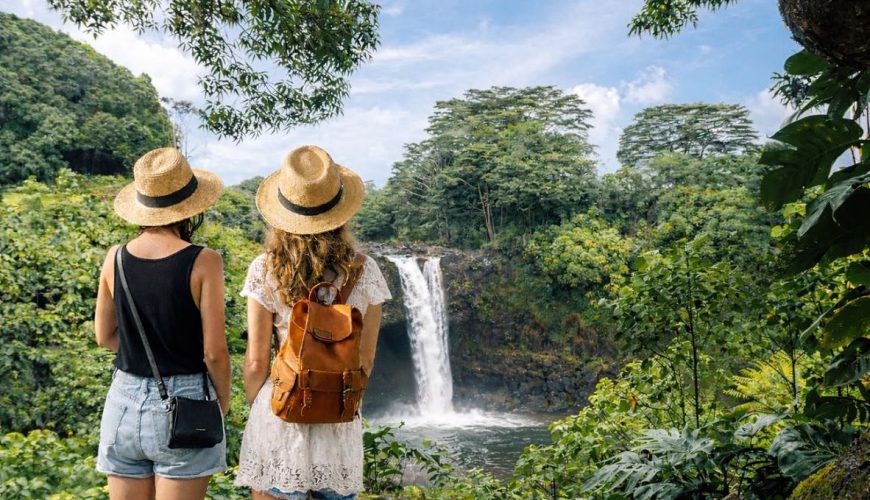

One archipelago, six major islands, and endless possibilities, but which one is truly right for you? In 2026, planning a trip to Hawaii is about more than simply booking flights and hotels. Selecting your island base is not just a logistical decision; it is the foundation of your entire experience. Each island offers a distinctly different personality, from the vibrant energy of Oahu and the refined luxury of Maui, to the elemental power of Hawaii Island and the untouched serenity of Kauai. The question is not which island is “best,” but which one best aligns with your travel style, pace, and expectations. Choose wisely, and Hawaii becomes more than a destination, it becomes your personal paradise.
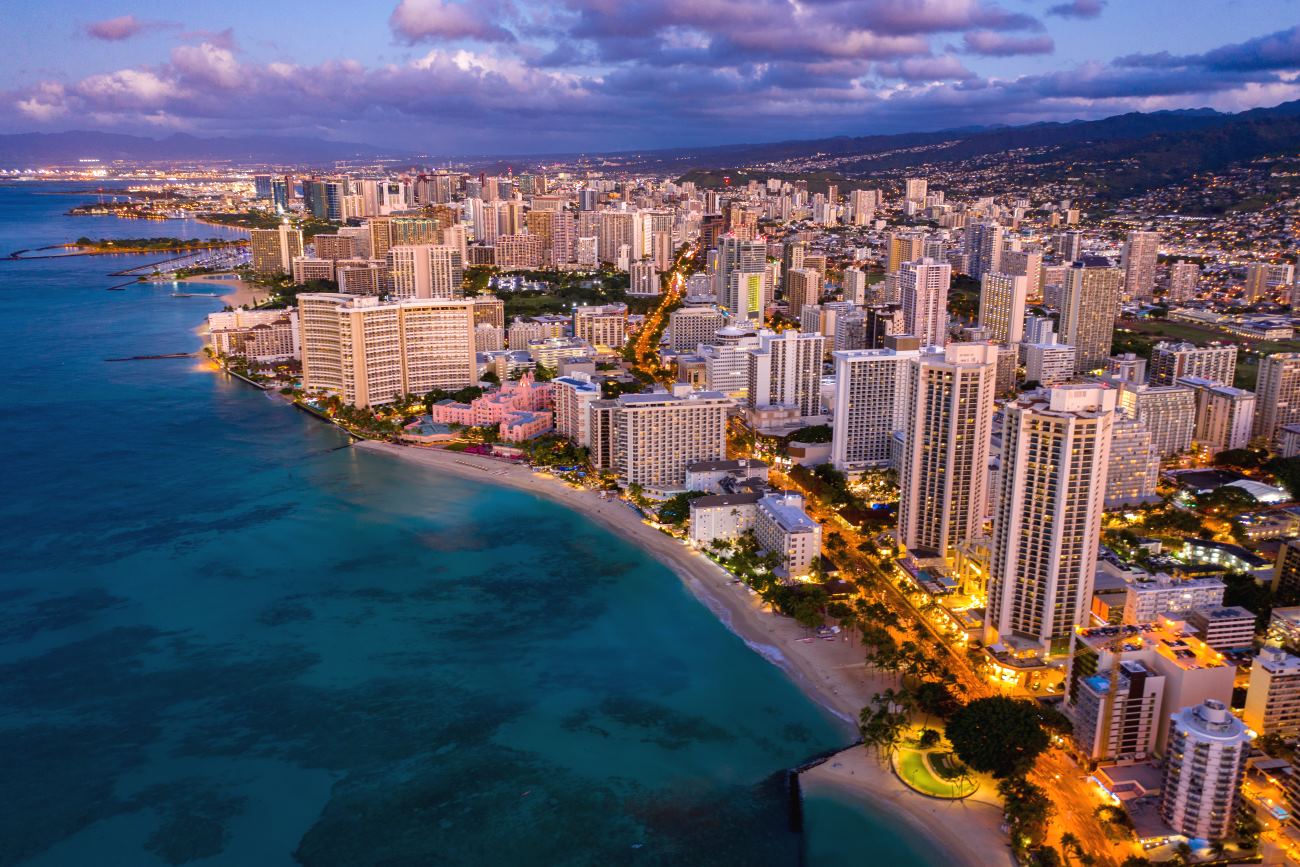
1.Oahu – The Essential Starting Point for Your Hawaii Journey
If it is your first time visiting Hawaii, Oahu is the natural place to begin. Nearly everything that defines the Hawaiian experience converges here, Waikiki’s beachfront resorts, vibrant shopping districts, globally influenced dining, legendary beaches, and a nightlife that energizes the coastline after sunset.
Oahu can be circled in just a few hours by car if you drive without stopping. Even when taking time to visit key highlights such as Hanauma Bay, the North Shore, and Pearl Harbor, it is still entirely possible to complete a full island tour within a single day.
Oahu delivers the most balanced and accessible introduction to Hawaii, seamlessly blending culture, history, cuisine, and recreation.
This island is best suited for those who seek balance – first-time visitors, families, and travelers who value convenience, walkability, and a seamless introduction to the spirit of Aloha.
2. Maui – The Pinnacle of Refined Island Living
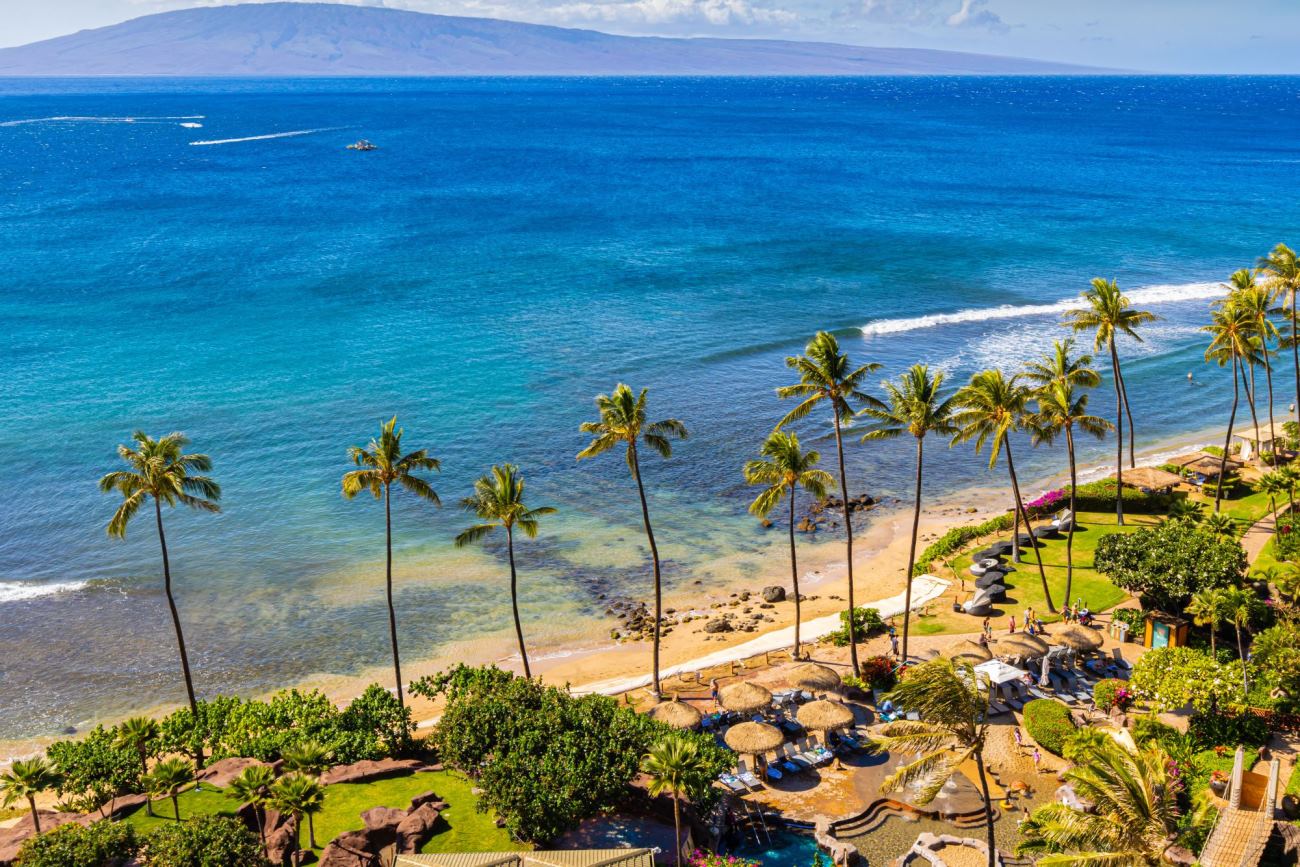
Known as the “Valley Isle,” Maui represents the elevated side of Hawaiʻi. Consistently ranked among the world’s best islands by Condé Nast Traveler readers, it has long been associated with understated luxury and natural grandeur.
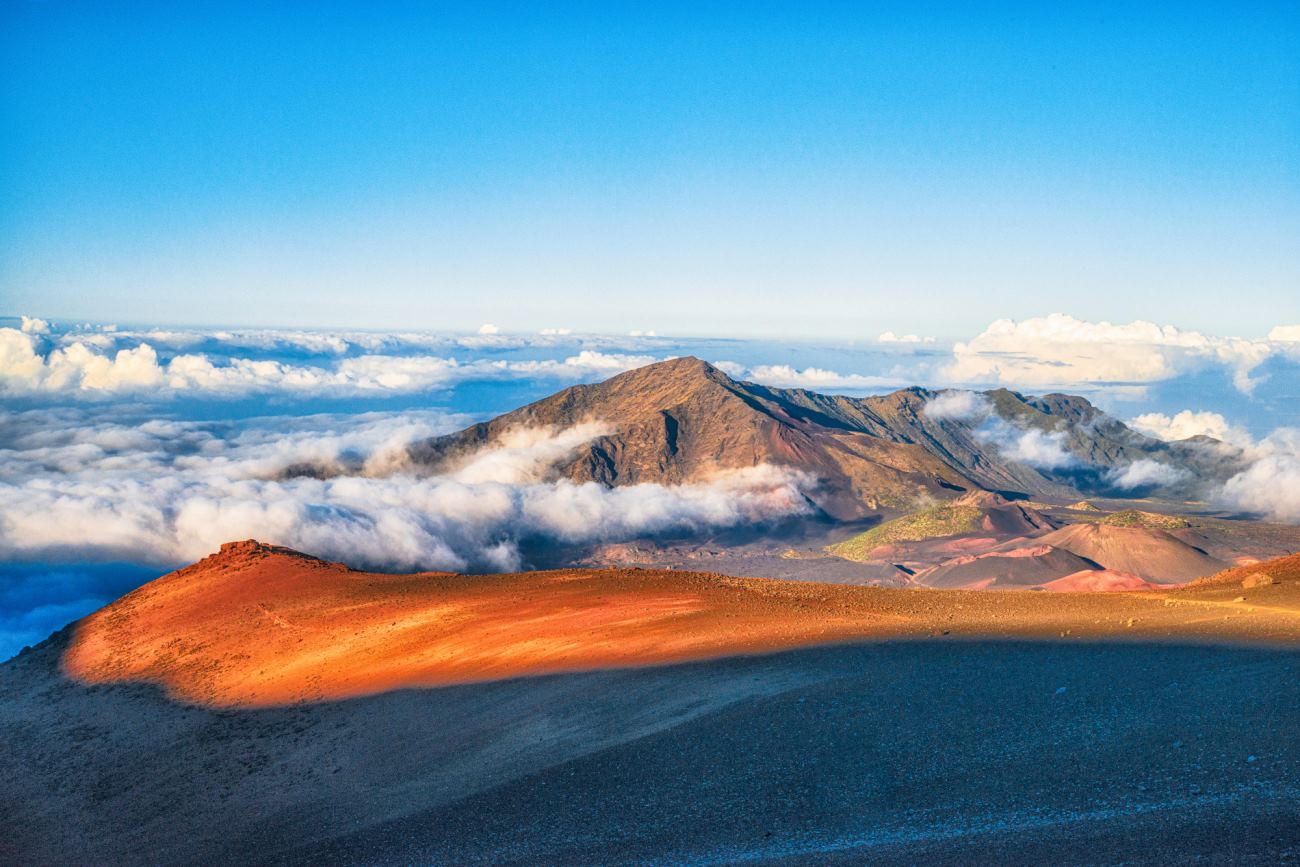
From the golden stretch of Kaanapali Beach to the refined elegance of Wailea’s five-star resorts, Maui blends pristine coastline with polished hospitality. At 3,055 meters (10,023 feet), Haleakalā offers a sunrise above the clouds that feels almost spiritual, while the legendary Hana Highway winds through rainforest, waterfalls, and dramatic coastal cliffs. Advance reservations for Haleakalā sunrise are released 60 days prior and require careful planning.
Maui is an island where nature and luxury exist in harmony, where privacy and scenery are equally prioritized.
This island is best suited for those who prioritize refinement, honeymooners, wedding groups, luxury-focused travelers, and guests seeking private beaches, world-class golfs and spas, and elevated resort living.
3. Hawaii, Big Island – A Living Continent of Fire and Stars
The largest island in the archipelago, officially known as Hawaii Island, feels vast and elemental. Nearly twice the size of all the other islands combined, it encompasses 11 of the world’s 13 climate zones — from black lava plains to mist-filled rainforests.
At Hawaii Volcanoes National Park, Kilauea continues to shape the land in real time, forming obsidian lava fields that feel almost extraterrestrial. In contrast, Mauna Kea rises above the clouds, offering one of the clearest stargazing environments on Earth. Sunset here feels cosmic; silence feels infinite.
Along the Kona Coast, however, luxury oceanfront resorts soften the island’s rugged character, allowing visitors to pair raw geological wonder with refined comfort.
This island is best suited for those who move slowly, explorers, nature lovers, golfers and travelers willing to trade hurried itineraries for vast landscapes, silence, and elemental wonder.
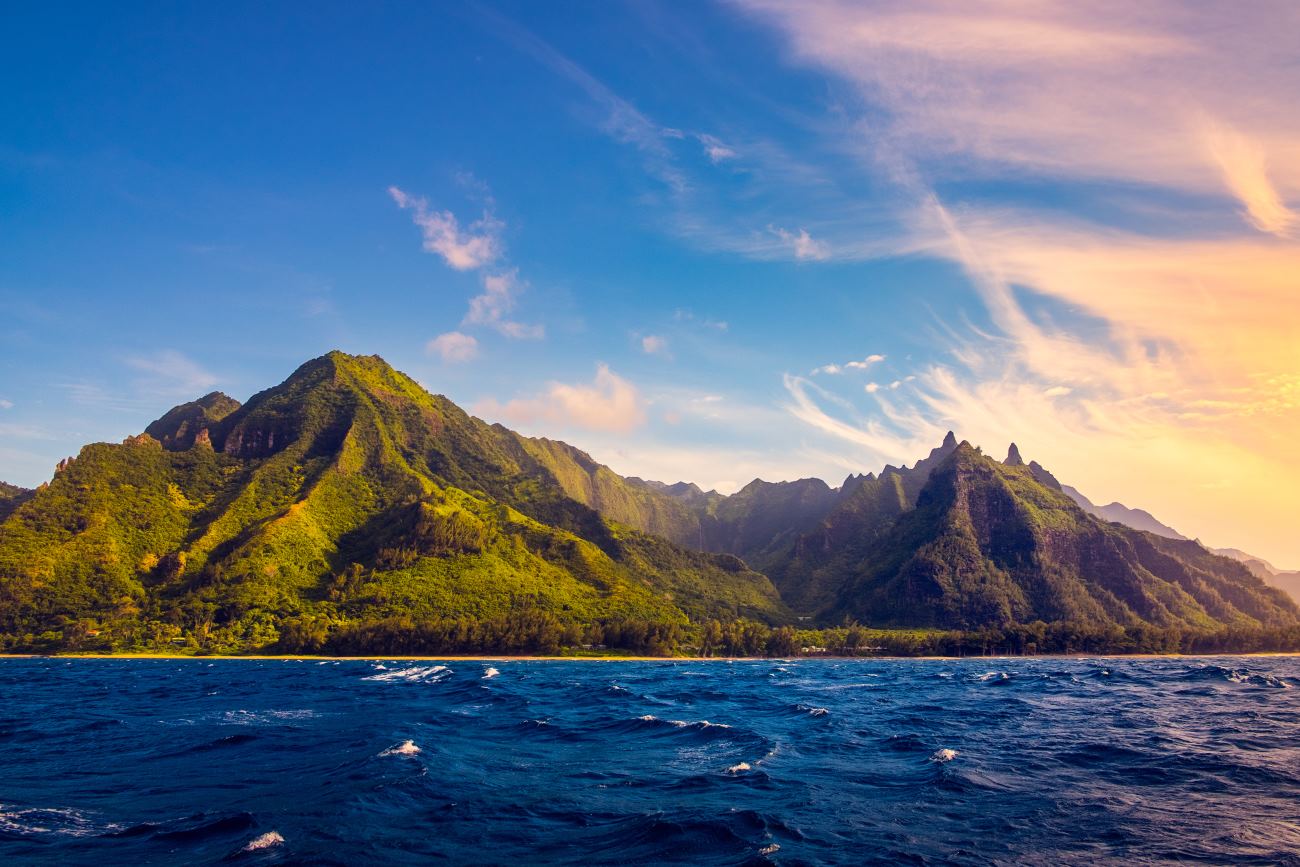
4. Kauai – The Garden Isle of Untamed Wonder
The oldest island in the Hawaiian chain, Kauai is often described as the most untouched. Nearly 80 percent of its land remains covered in rainforest, earning it the name “Garden Isle.” Time feels different here — slower, quieter, more elemental.
The emerald cliffs of the Na Pali Coast rise dramatically from the Pacific, inaccessible by road and visible only by air or sea. Inland, Waimea Canyon — often called the “Grand Canyon of the Pacific” — reveals layered red earth carved by centuries of wind and rain. Kauai’s landscapes have served as backdrops for films such as Jurassic Park and Pirates of the Caribbean, a testament to its cinematic scale.
There is little nightlife and few sprawling resort districts. When evening falls, darkness settles naturally, and only the sounds of ocean and wind remain.
This island is best suited for those who seek stillness. couples in search of tranquility, artists inspired by dramatic landscapes, and hikers drawn to ancient trails and untouched wilderness.
0 Comment